


At the desk
- Marc Bishop
- Brian Hansen
- Sophie Darling
- Amit Singh
- Tom Sullivan
Hear Creator Intent Before Drafts
 Marc BishopDirector, Wytlabs
The real balance is not freedom versus control. It is clarity versus interference. Creators produce better work when they know exactly where the boundaries are and exactly where they are trusted. Most approval slowdowns come from briefs that try to predict every phrase instead of defining the outcome, the risk zones, and the audience context. I have found that mature brands protect safety best when they stop managing performance and start managing alignment.
A practice that improved both speed and results was requiring a one-minute voice note from the creator before drafting. They explain the angle in their own words, how their audience will receive it, and where they might push the story. Reviewers respond to intent quickly, long before edits multiply. That small step preserves authenticity because the creator's thinking is heard early, and it sharpens approval discipline because feedback happens at the strategic level.
Set Deadlines for Minor Feedback
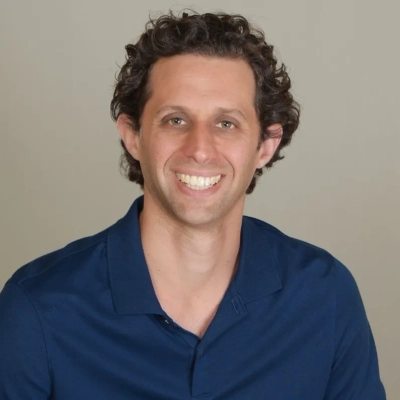 Brian HansenPresident, Rocket Pilots
The most effective creator relationships are built on mutual protection. The brand protects reputation and clarity. The creator protects trust with the audience. Campaigns slow down when either side tries to take over the other role. The better approach is a concise brief with sharp boundaries on claims, tone risks, and prohibited associations, paired with enough freedom for the creator to communicate like a human being.
One approval practice that helped without creating friction was setting a default rule for silence. I establish that if minor notes are not returned by a specific time, the draft moves forward. That removes bottlenecks, keeps momentum high, and encourages teams to comment only when something truly affects safety or accuracy.
Review Raw Footage Before Edits
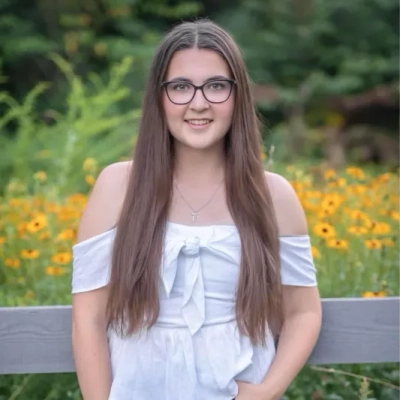 Sophie DarlingSocial Media Marketing Manager, Water Wizz
Managing social media for a seasonal water park means our creator windows are tight — we get one summer to make it count, so there's no time for bloated approval chains.
The shift that made the biggest difference was briefing creators on feeling instead of script. For Mussel Beach, I'd tell them: "You're not here to explain 5-foot waves — just capture the moment someone realizes they're bigger than expected." That constraint actually freed creators to find genuine reactions instead of staging content.
For brand safety specifically, I use a simple "yes/no/never" list in the brief. Yes to candid guest moments, no to filming minors without verified consent clearance, never frame the park as chaotic or unsafe. One page, three categories — creators appreciate the clarity and it protects us without making them feel like they're filming a compliance video.
The approval practice that moved the needle: I ask for a 60-second raw "dump" before any edited deliverable. Seeing uncut footage early lets me flag anything — a visible competitor brand, an unattended minor — before editing hours are sunk. Creators stopped dreading revisions because the catches happened before they'd invested real production time.
Define Guardrails, Then Trust Talent
 Amit SinghCOO of Digital Marketing Agency, The Super30
Briefing the boundaries, not the script, fixed a problem we didn't realise we'd created
Working with creators taught us early on that over-scripting kills the exact thing you're paying for, authenticity, yet leaving briefs too loose creates genuine brand safety risk. The practice that resolved this tension was replacing detailed content scripts with a short "boundaries brief" instead, three or four clear things a creator absolutely couldn't say or do, alongside the core message we needed communicated, with everything else left entirely to them.
We developed this after a campaign with a client in the skincare space went sideways slightly, not disastrously, but the content felt stiff and clearly scripted, and engagement reflected that, well below what similar creators normally achieved for other brands. Reviewing the brief afterwards, it ran to several pages, suggested phrasing, mandatory shot angles, approved adjectives, everything except space for the creator's own voice.
For the next campaign, we stripped that back entirely. The brief became one page, three non negotiables around claims we legally couldn't make, plus the single outcome we needed the audience to understand, and nothing else. Creators were trusted to build their own script, tone, and format entirely.
Approval speed actually improved too, because reviewing content against three clear boundaries takes minutes, reviewing content against a detailed script for deviation takes far longer and invites endless small edits that slow everything down.
Engagement on that follow-up campaign rose by around 50% compared to the previous script-heavy approach, and completion rates on video content specifically improved because the pacing finally matched how that creator naturally spoke, rather than being forced into a brand's internal tone of voice.
What this taught me is that brand safety doesn't require controlling every word, it requires being genuinely clear about the few things that actually matter, then trusting creators enough to handle everything else the way their audience already trusts them to.
Cap Videos With Narrative Prompts
 Tom SullivanManaging Partner, ADvance Media
As co-founder of ADvance Media with over 20 years in marketing for elective medical practices, I handle creator and ambassador content in an industry where brand safety and trust are non-negotiable. We balance authenticity with guardrails by focusing creators on real patient journey moments—like initial fears and common FAQs—rather than sales pitches.
The single briefing practice that transformed our approvals was strictly capping video content to 20 to 30 seconds while providing three precise narrative prompts. We tell creators to briefly share the specific problem they faced, their initial fear about taking the next step, and what happened during their consultation.
For our plastic surgery and orthodontic clients, this focused structure gives local brand ambassadors freedom to speak naturally while ensuring quick, compliance-safe approvals. It delivers the genuine word-of-mouth storytelling that resonates on social platforms while cleanly connecting traffic directly into booked consults.