
How Marketing Teams Protect Focus When Requests Keep Growing

When every request is labeled urgent, marketing teams need a clear way to protect their time and results. This article shares practical ways to score priorities, set boundaries, and focus work on customer and business outcomes, with insights from experts in the field. The result is a simpler system for deciding what gets done now, later, or not at all.
§ How this was made
The perspectives in this article were written by the named contributors and submitted through Connectively. Connectively's automated system selected them and used AI to write the headline, introduction, section headings, summary sections, and illustration, and to make minor edits for clarity. Articles are assembled and published automatically. Report errors to corrections@connectively.us. How we make our content
Illustration generated with AI
What the experts said
25 answers
- Publish Priority Scores PubliclyMarc Hardgrove
- Let Stakeholders Choose the Trade-OffTristan Harris
- Build Approved Resource LibrariesBryan Vasquez
- Centralize Urgent Access Through One GatewayBrandon George
- Favor Customer Outcomes Over Political NoiseNicholas Gibson
- Replace One-Off Decks With Self-ServiceSumit Sharma
- Sort Reviews by Clear StatusDan Lacey
- Decline Analysis Without Decision ImpactMark Bietz
- Invest in Durable ReturnsChristopher Coussons
- Demand Concise Project BriefsAnna Maksymenko
- Limit Account Initiative LoadJimi Patel
- Lead With Storm PreparednessSherman Walker
- Rank Reporter Needs by ConsequenceHeath Squier
- Promise Replies Within Two DaysEmma Rusby
- Honor Prior Pledges FirstJames Holland
- Repair Technical Faults, Then PublishDaniel Goh
- Route Assets Toward Buyer ToolsVaughn Smith
- Prioritize Location Pages Over Branch CollateralDawn Collea
- Require Deadlines and Business RationaleAndrew Vo
- Unify Digital Retail WorkflowsAmanda Crookshanks
- Serve Seasonal Vision NeedsJane Thelen
- Fix Client Response Gaps Before ExpansionPaul Taylor
- Maintain Buyer Guides Over New MentionsMolly Nye
- Align Visual Shoots With Menu CyclesJessalyn Arthur Taveras
- Aim Managers at Six TargetsDean Currall
Publish Priority Scores Publicly
 Marc HardgroveCEO, The Hoth
We moved all requests into one shared board and held a 30-minute triage meeting every week with the main requesters in the room. Each request was ranked against two questions: does it support a company goal this quarter, and what happens if it waits two weeks? Because the ranking happened in public, nobody felt overlooked, and people started withdrawing their own low-priority asks before the meeting. The decision that protected our focus was making the ranking visible, since people accept a "later" they can see the reason for.
Let Stakeholders Choose the Trade-Off
 Tristan HarrisSr. VP of Marketing, Next Net Media
We wrote a standard reply for every request we couldn't fit in: "Yes, I can do this by [date], and that would move [other project] to [new date]. Which do you prefer?" Requesters had to choose the trade-off themselves, often a senior person deciding between their own project and a colleague's. Many requests were postponed or withdrawn at that point, and the ones that stayed had real support behind them. Relationships held up because nobody heard a flat "no." The team gained clear commitments and kept its focus on the work that had been chosen.
Build Approved Resource Libraries
 Bryan VasquezHead of Sales, LinkBuilder.io
A look at six months of requests showed that most were variations of three things: a customer one-pager, an event invitation email, and a slide template for sales calls. We built a small library of approved templates for those three and trained the sales team to customize them on their own. Requests to the marketing team dropped, since small edits no longer needed us, and the quality stayed consistent because the brand rules were built into the templates. People felt helped, since they could get what they needed the same day. Protecting focus came from taking the repeated tasks away from the team and giving them to the people who needed them.
Centralize Urgent Access Through One Gateway
 Brandon GeorgeDirector of Demand Generation & Content, Thrive Internet Marketing Agency
I start with the same two questions every time: what breaks if this waits, and who is waiting on it. Anything that threatens a live customer outcome goes first, such as a blocked booking, a complaint that could cost a client, or a deadline the customer has already been promised. Everything else goes into a written queue with the requester's name and arrival date beside it. A visible queue settles most fairness arguments, because people can see that their request is recorded and in line.
The decision that has protected focus most is a fixed intake point. Requests come through one form instead of through chat, text, and hallway conversations. The intake owner sorts each request into urgent or planned and confirms when the requester will hear back. The team works from planned blocks, and only the intake owner can break one for an urgent item.
Thrive's Volume 3 Business Visibility Index recommends putting a refresh cadence on the calendar, since on Perplexity about half of what AI cites about a business is replaced in roughly six weeks. Scheduled recurring work is harder to crowd out than work that waits for a reminder, so I apply the same logic to planned team work.
Relationships depend on how the wait is described. A message such as "Your request is in today's queue, and you'll have an answer by 3 PM" gives the requester something concrete to plan around. If the time changes, tell them before it passes.
Favor Customer Outcomes Over Political Noise
 Nicholas GibsonMarketing Director, Stash + Lode
I prioritise by business consequence, not by who asks the loudest. A request tied to a live customer issue, revenue opportunity, or reputational risk will usually beat something that is simply visible or politically urgent. I have also found that saying "not now" works much better when I can explain what we are protecting instead. For example, delaying a lower-impact internal request so the team can finish a customer-facing campaign keeps the conversation about trade-offs rather than rejection.
Replace One-Off Decks With Self-Service
 Sumit SharmaSEO Specialist, Appzoro Technologies Inc.
The thing that makes this difficult is never the work itself, it is that every request is coming from someone who genuinely needs it and genuinely believes theirs is the urgent one. So I stopped treating it as a yes or no conversation. Everything goes into one visible queue, and when a new request is coming in, the question is not whether we can do it, it is what it is pushing down the list, and the requester gets to see that trade off instead of just hearing a no.
That single change is protecting relationships more than any polite rejection ever did, because people are not being blocked, they are being shown the cost.
The decision that helped us most was cutting the volume of one off collateral. Those small sales decks and one page asks were eating a huge share of the week while delivering very little, so we built a set of templates people could adapt themselves and kept the team's time for campaign work, positioning and the things actually tied to pipeline.
Sort Reviews by Clear Status
 Dan LaceySEO Consultant, Dan Lacey SEO
One decision that's really helped was changing how work comes to me. My team hands me a lot to review, technical audits and recommendations, content and press queries, and it used to come over by reassigning the task to me with that day's date on it. So everything landed in my list looking equally urgent, mixed in with my own work and things waiting on clients, and it was really hard to see what actually needed me first.
Now tasks stay with the person doing them, and they flag anything that needs me with a "Ready for Dan" stage and a note on what they've done and what they'd recommend. Work that's agreed but not urgent is marked as planned, and anything stuck with a client or webmaster is marked as waiting on others. Due dates stay as the real deadlines, and I work through the Ready for Dan list every day, so it's much clearer what needs doing this week and what can wait.
Decline Analysis Without Decision Impact
 Mark BietzCMO, Halloween Costumes
We stopped treating every request as a campaign request. Some were decisions awaiting data, approval, or ownership. At intake, we asked what decision the work would change and what would happen if it waited. This helped us separate urgent work from requests that could wait and protect team focus.
During planning, a stakeholder requested custom analysis, but it would not change a scheduled decision. We declined the request and offered existing reports with a later review. This freed the team to finish an initiative with a market deadline. It built trust because we separated urgency from importance without questioning the stakeholder's judgment.
Invest in Durable Returns
 Christopher CoussonsDirector, Visionary Marketing
I protect the work that compounds and say no, or not yet, to work that only fills the week. When requests outrun capacity, I sort them by what still pays back in six months, and I tell people where their request landed and why, so nobody hears silence and assumes they have been ignored.
Most of the overload in marketing comes from small, urgent requests: a new social graphic, a one-off email, a tweak to an ad. They feel quick, but they push out the slower work that keeps producing results. My own comparison of the two channels found that SEO delivers 3.7x higher ROI than PPC over time, largely because organic work keeps earning long after the hours are spent. If the content plan slips every time someone asks for a quick favour, the business loses the one thing that would have reduced its need for paid campaigns.
The decision that helped me most was giving every stakeholder a short list of what I will always do for them and how fast, and a shared queue for everything else. Relationships stay intact because the important person still gets a quick answer on the things that matter to them. The rest goes in the queue with a date. People mind waiting far less than they mind not knowing whether anything is happening.
Demand Concise Project Briefs
 Anna MaksymenkoMarketing & Communications Director, Independent
When requests exceed capacity, I start by tying every request back to the company's priorities for the quarter. If a project doesn't clearly support a business goal — whether revenue, reputation, or a key launch — it moves down the list, regardless of how urgent it feels to the person requesting it.
The key to protecting relationships is transparency. I don't simply say no. I show stakeholders what the team is working on, why those priorities matter, and what would have to be deprioritized if we took on their request. Most people respond well when they can see the trade-offs rather than hear a flat refusal. Often, the conversation shifts from "Can you do this?" to "What's the simplest version that still delivers value?"
One decision that helped my team protect focus was introducing a simple intake process: every request had to include a brief outlining the objective, target audience, and deadline. If a request couldn't be clearly articulated in a few lines, it probably wasn't ready to become a project.
This helped the team spend less time reacting to requests and more time delivering work that actually moved the business forward.
Limit Account Initiative Load
 Jimi PatelDirector, eStore Factory LLC
Capacity problems are usually scoping problems in disguise. When requests exceed what the team can deliver, the honest move is to make the tradeoff visible instead of absorbing it quietly and shipping everything late.
We run managed Amazon accounts, so every request competes against work that has a measurable return. I ask the requester one question: what is this supposed to move? If the answer is a number we already track, like conversion rate on a product detail page, TACOS on a campaign, or sell through before a long term storage fee window, the request gets ranked against the other work aimed at that same number. If there is no answer, it is not deprioritized, it is unscoped, and it goes back for one sentence of intent before it enters the queue at all.
That reframing protects relationships better than a polite no, because the conversation stops being about whether we value the person and becomes about what the business gets.
The decision that bought us the most focus was capping concurrent workstreams per account rather than per person. Three active initiatives per account, everything else visibly queued. Clients can see their own list, including what they pushed ahead of what. When a brand asks for a fourth thing, they are the one choosing what moves down. Nobody argues with a queue they control.
The cost is that you have to publish the queue. Teams resist that, because it exposes work that has been sitting. Publish it anyway. The exposure is the mechanism.
Lead With Storm Preparedness
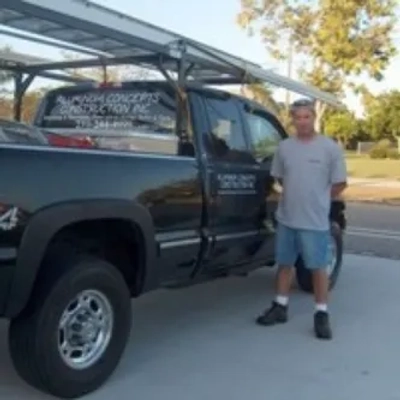
Running a company focused on hurricane-ready aluminum structures in Southwest Florida has shown me how seasonal client needs must drive every marketing choice.
I sort incoming requests by how directly they address real property risks like weakened enclosures or drainage issues before any general service push.
One decision meant holding back pressure washing promotions until after we completed all hurricane inspection content and calls, because those kept homes intact when storms hit.
Clients stayed connected since we explained the timing upfront and followed through on the priority work.
Rank Reporter Needs by Consequence
 Heath SquierCMO | Founder, EVKII
I would rank the work by the consequence of waiting, the deadline and whether we have the facts and authority to complete it. An interested reporter with one answerable question comes ahead of another round of cold pitches. A request that needs an unavailable customer result or an unauthorized commitment is a dependency to resolve, not a reason to interrupt everyone.
One concrete decision in our earned-media campaign was to review new and unresolved reporter conversations before allocating new outreach. The same record carries the previous submission, the exact unanswered request and the next review date. When a reporter has already said an article is in production, we keep that review date instead of sending another unchanged reminder to make the activity count look better. That preserves attention for a real question or a deadline we can meet.
I would explain the tradeoff in writing: what we can finish now, what fact is missing and when the item will be reviewed. If a new request moves to the front, name the work it displaces. Otherwise every stakeholder can hear yes while the team quietly accumulates commitments it cannot fulfill.
The result I can substantiate is a queue with explicit next actions and fewer unnecessary follow-ups by design. I am not claiming a measured productivity gain or that every stakeholder approved the tradeoff.
Promise Replies Within Two Days
 Emma RusbyDirector, Zenvy Beauty
When requests pile up faster than the team can handle them, I sort by what happens if nobody touches it for a fortnight. Some things quietly get worse, like a supplier waiting on product copy before they can list a new range. Others stay exactly as they are, like a nice idea for a social series. The first kind gets done. The second kind gets a date, honestly given. The relationship damage almost never comes from saying not yet. It comes from silence. So I borrowed the rule we already use for customers. Our complaints policy promises acknowledgement within 2 working days, confirming we have received it, which you can see at https://zenvy-beauty.com/pages/complaints-policy. I apply the same standard to every marketing request, internal or external. Within that window, the person hears back with either a slot or a straight answer that it won't happen this month. The prioritisation decision that protected the most focus at Zenvy Beauty was refusing to run marketing for every product equally. We keep a tight edit of curly hair products, and the marketing follows the products that solve the most common problems, not whoever asks loudest. That meant some brand partners got less attention than they wanted, and I told them so directly and early. People cope well with a clear no. What they don't cope with is a maybe that drifts for three weeks while they plan around it.
Honor Prior Pledges First
 James HollandVice President, Hans Heating & Air
I've spent over two decades in HVAC, and while my world is service and operations, running a team means you constantly face the same problem marketing managers do: more demand than bandwidth, and relationships on the line either way.
The framework I use internally is simple - I ask which work protects an existing commitment versus which work chases something new. When we were building out our Priority Services Membership at Hans, every piece of communication supporting that program took precedence over anything promotional. Members had already said yes to us, so honoring that relationship came first.
The specific decision that protected our team's focus: when we were simultaneously supporting our community partners like the Family Sunshine Center and United Way through campaigns, we had to choose between pushing new service promotions and fulfilling what we'd already promised those organizations publicly. We held the new promotions and finished the community commitments first, then communicated openly with the teams waiting on promotional content. Nobody felt ignored because they understood the reasoning.
Transparency about why something is delayed does more relationship work than rushing a mediocre deliverable ever could. Tell people the honest reason, give them a realistic timeline, and most of the time they'll respect you more for it.
Repair Technical Faults, Then Publish
 Daniel GohChief Marketing Officer, RankAISearch
1. Ask one question: what number does this change, and by when? If no one can answer that simple question, wait until they can. If work to revenue, launch date or fix a site breakage is asked, do that first. Everything else gets "not now, here is when" as opposed to "no". People handle a delay much better than silence so give them a real date and stick to it. Repeat requests for things like reports or formatting of content indicate that that work must be more important than you thought. So build a Python and/or AI automation to stop wasting your time on that.
2. To cure our own site at RankAISearch we chose to put off adding new content to it for the time being. The SEO audit of the site turned up a number of issues including the hidden addition of "missing headings" text to pages by the SEO plugin we had added. One page in particular had grown to a massive 2MB (yes, 2 megabytes!) - and that was after we'd reduced the size of 3 icon images from 570KB each to 170KB or so. In the end we managed to get the page down to around 330KB. Instead of writing loads of overlapping posts to various topics on the site, we'd focus on writing a single very strong page for each topic instead. To our relief, this had the massive advantage of cutting through the content "logjam" of the previous approach - and in fact two of the new pages were discovered, not indexed, in Search Console within about a day.
Route Assets Toward Buyer Tools
 Vaughn SmithMarketing Director, Nissan of Lithia Springs
As Marketing Director for Smith Automotive Group, I oversee strategy across three Nissan dealerships and connect every campaign directly to lead quality, appointments, and sales through integrated data systems. This hands-on role in analytics and operations gives me a clear view of which requests actually move the needle.
I rank incoming work by how tightly it ties advertising and customer interactions to showroom visits or service bookings. Anything that builds repeatable tracking or automation comes first, while one-off creative asks wait unless they support an active sales push.
One decision that protected our focus was routing all new content toward vehicle research pages and trade-in tools rather than broad brand posts. That choice kept the team aligned on measurable outcomes and let us explain the trade-off to internal partners without friction.
Prioritize Location Pages Over Branch Collateral
 Dawn ColleaMarketing Director, Ninefold Pest
With nearly two decades in digital marketing and guiding growth across multi-state service regions at Ninefold Pest, I prioritize requests by directly tying them to measurable lead generation and active branch capacity.
To preserve trust with internal stakeholders, we apply the same clear communication we give customers: we audit the request openly, explain the operational bottleneck, and set a definitive timeline rather than making vague promises.
One key decision that protected our focus was pausing ad-hoc collateral requests from individual branches to prioritize dedicated, location-specific service pages and commercial documentation.
Giving teams a structured "not yet, but scheduled for this date" kept relationships intact while keeping our marketing focus locked on our highest-impact growth drivers.
Require Deadlines and Business Rationale
 Andrew VoFounder, Echo Cravings
I run Echo Marketing alongside Echo Cravings and co-own Peacock Nails, so capacity crunches hit me from multiple directions at once. That forced me to build a real prioritization system fast.
The clearest filter I use: does this request have a hard external deadline tied to revenue, or is it internal and flexible? At Peacock Nails, when we were scaling monthly revenue, paid media campaigns tied to specific promotions always jumped the line over brand refresh requests that could wait two weeks without consequence.
The one decision that protected the team most was creating a standing rule that any new request had to come with a stated deadline and a business reason before it even entered the queue. That single gate eliminated the "urgent" requests that were actually just anxiety, and gave us language to push back without it feeling personal.
Relationships survive reprioritization when you communicate the logic, not just the outcome. Tell the person what bumped their project and when you'll be back on it. That transparency buys goodwill every time.
Unify Digital Retail Workflows
 Amanda CrookshanksGeneral Manager, Reineke Ford Inc.
Managing digital retail initiatives across 12 dealership locations taught me that bandwidth issues vanish when you align marketing directly to core operational workflows. I prioritize requests that build a seamless, full-service customer experience over isolated promotional requests.
One major prioritization decision was pausing custom one-off ad requests so our team could focus entirely on implementing a unified online sales and F&I process for Reineke Ford.
We protected internal relationships by showing store managers how building that digital foundation would consistently feed qualified opportunities directly to sales and BDC teams across the entire network.
Serve Seasonal Vision Needs
 Jane ThelenOwner, Select Eyecare
With nearly three decades owning Select Eyecare and its three Minnesota locations, I prioritize marketing requests that directly support our patient-focused services like in-house labs and routine eye exams.
We rank work by how well it connects to real local needs, such as content on seasonal allergies or winter eye challenges, rather than one-off requests that pull us in too many directions.
One decision that protected our focus was pausing general promotions to concentrate on sun protection and face-shape guides for eyewear. This kept relationships strong with our Anoka and Coon Rapids teams by delivering steady, useful patient resources instead of scattered efforts.
Fix Client Response Gaps Before Expansion
 Paul TaylorPresident, Triple Digital
I've spent 28+ years in marketing and now run Triple Digital, where law firms often want SEO, paid ads, AI content, review help, and intake fixes all at once. I prioritize by asking: does this protect compliance, improve conversion to signed clients, or create a reusable asset?
The big mistake is treating every marketing request as equal. A new ad campaign matters less if the firm is missing calls, delaying follow-up, or sending prospects into a broken intake process.
One focus-protecting decision: we paused new campaign expansion for a firm until we fixed intake follow-up and retainer chasing. More traffic would have just created more leakage, so we protected the team by working on the bottleneck closest to revenue.
To preserve relationships, I explain the trade-off plainly: "We can do this, but it means delaying that." People handle "not now" much better when they can see the business reason behind it.
Maintain Buyer Guides Over New Mentions
 Molly NyeOwner, Everything Mermaid
I've run Everything Mermaid since 2016, so my prioritization filter is simple: reader trust first, then partner value. If a request helps someone choose the right tail, monofin, leggings, or discount code, it moves up.
One decision that protected focus was prioritizing review and discount-code upkeep over adding more new promotional content. For example, keeping pages like Fin Fun promo codes or fabric tail reviews current mattered more than squeezing in another low-context product mention.
To protect relationships, I don't just say "we're too busy." I explain the queue, why evergreen buyer-intent content is taking priority, and offer a better-fit slot or format later.
The big lesson: don't prioritize whoever asks loudest. Prioritize the work that your audience would miss if it disappeared.
Align Visual Shoots With Menu Cycles
 Jessalyn Arthur TaverasFounder & Strategic Director, ARKO Agency & Consulting,
Running ARKO to build growth systems for hospitality brands has taught me to filter incoming requests through operational realities. When capacity maxes out, we prioritize work directly tied to high-margin menu items or immediate demand needs over decorative asks.
To protect relationships, we explain trade-offs using business metrics so clients see that saying no to an ad-hoc task protects their core revenue drivers.
One decision that saved our focus was aligning creative productions--like our storytelling shoots for Macchialina--strictly with seasonal menu cycles instead of fielding spontaneous, mid-month creative requests. This gave our team uninterrupted execution time while delivering complete visual libraries that fuel reservations for months.
Aim Managers at Six Targets
 Dean CurrallCEO, Chief Marketing Officer, Investor, Castle International
A big one is that there's always been an open channel between me, the senior people in the business, and the rest of the team. Often, the senior team's job is to take the decision off the account manager's hands and say, "We're telling you it's this, and we'll take accountability for it."
We then communicate directly with the customer, by WhatsApp or email, and say something like: "You've made this many requests. This is how long we think they'll take. We've made this decision based on this rationale. If you'd like us to change it, let us know by this time, otherwise, we'll proceed." It's a very simple thing to do. It's not overly complicated, and there's no technical trick to it.
When it comes to focus, keeping account managers on the straight and narrow is all about objective setting. That's what we do here at Castle. We have a mantra in the business: every account manager doesn't have a machine gun; they have a sniper rifle, and inside that sniper rifle they've got six bullets. Which six bullets are they going to use today to make the maximum impact? They haven't got a thousand bullets to spray everywhere and hope for the best, and they haven't got the time. We find that makes a big, big difference.
The last thing is the briefing and the first 30 days. A lot of agencies do an induction, say, "Right, we'll just get on with Google Ads now," and start working. After every induction here at Castle, we create a document that says, "This is what the next 30 days look like." If the client adds things to it, that changes things, and the goals we've set could change too, because they've added work we weren't aware of.