
At the desk
- Bryan Philips
- Ysabel Florendo
- Sagar Agrawal
- Mark Bietz
- Liviu Multiply
Prioritize Response Quality over Volume
 Bryan PhilipsHead of Marketing, In Motion Marketing
We set frequency by watching response quality, not just send volume. If clicks stay flat but unsubscribes, spam complaints, or reply fatigue rise, the list is telling you it has had enough. One cadence change that worked well was pulling back from multiple weekly promotional sends and replacing one with a useful, non-sales email, which lowered opt-outs and kept revenue steadier over time. The lesson is simple: frequency works when the value per send stays high.
Let Relevance Set the Rhythm
 Ysabel FlorendoMarketing coordinator, SouthPoint Geodetics LLC
Cadence in B2B services is less about "how often" and more about "how relevant." At SouthPoint Geodetics, our list is primarily contractors, builders, and real estate professionals — not consumers — so heavy email blasts and constant SMS would burn the relationship fast. We landed on a rhythm of one substantive email every two weeks plus event-triggered messages (project completion, permit-cycle reminders, seasonal scheduling windows). The cadence adjustment that lifted performance: we moved one weekly newsletter to every other week and replaced the off week with a personal-style note from our operations lead about a real recent project. Opens dropped slightly, but reply rates and inbound proposals went up, and unsubscribes fell by more than half. The lesson — the right cadence is whatever frequency lets every send earn the next one.
Tie Messages to Real Milestones
 Sagar AgrawalFounder, Qubit Capital
How often is too often? The number matters less than whether the reader remembers why they signed up. We help early-stage founders connect with investors. Our list cares about updates that move a process forward. The second a message reads like filler, the unsubscribe rate climbs even if frequency hasn't changed.
The cadence shift that worked was cutting send volume by 40% and switching from fixed weekly to event-triggered sends. Somebody hits a fundraise milestone, they get a message tied to it. No milestone, no message.
There's a wider question about whether the weekly newsletter format is just an artifact of older tools. I don't think most teams have tested the alternative.
Send Texts after Renewed Interest
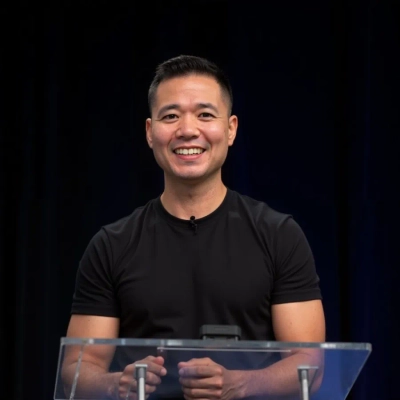 Mark BietzCMO, Halloween Costumes
We made one change that helped reduce text opt outs. Before this we sent a text the day after someone clicked an email and did not buy. That looked efficient but it often felt too fast for people who were still thinking. We changed the timing and sent the text after two to three days only if they came back to the site or engaged with another message.
This small delay made the experience feel more natural and less pushy. As a result we saw fewer text opt outs and revenue from both channels stayed stable at first. It then improved over the next month as people responded better. The key lesson is that good timing matters more than sending more messages and we get better results when email and text follow customer behavior.
Suppress Disengaged to Lift Deliverability
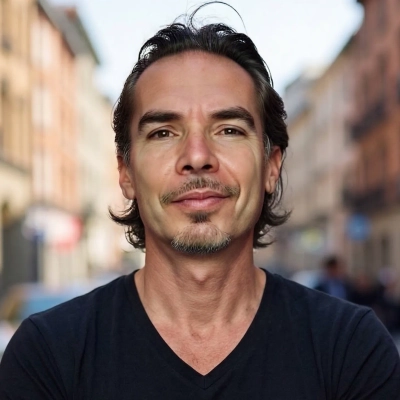 Liviu MultiplyFractional CMO, Multiply CMO
The rule I apply: frequency should track the customer's proximity to a decision, not your proximity to a revenue target.
When cadence is set around your revenue needs, you send more when you need more money. Your subscribers don't know why volume spiked — they just opt out at exactly the moment you need them most. When cadence tracks their decision timeline, higher frequency arrives when urgency is shared. That's the difference between a list that converts and one that erodes.
I ran this at scale managing AFTERHILLS, one of Romania's largest international music festivals — hundreds of thousands of email and SMS subscribers, a hard sell deadline, no second chances.
Our original cadence was calendar-driven: one email per week regardless of purchase status or time to event. Opt-outs were steady and late-stage conversion underperformed our list size.
We rebuilt around what I call the event horizon model. Non-buyers got low frequency early — one send every 10-14 days — stepping up to twice weekly in the final eight weeks, with SMS reserved for urgency moments only: lineup drops, ticket tier closings, final availability. Buyers got a separate track focused on experience anticipation, not conversion pressure.
The single adjustment that moved the needle most: suppressing non-buyers who'd opened zero emails in the prior 60 days from the high-frequency window entirely. Sending more to disengaged subscribers was generating opt-outs and spam signals that hurt deliverability for everyone else. Removing them lifted inbox placement across the whole send.
Result: opt-out rate in the high-frequency window dropped 40% vs the prior year. Revenue in the final eight weeks was up 28%.
The principle I apply to every programme now: segment by engagement before you touch frequency. Your engaged subscribers will tolerate — and often welcome — higher cadence when it matches their decision moment. Your disengaged will punish you for it regardless of timing.
— Liviu Sever Irinescu, Fractional CMO | multiplycmo.com