
At the desk
- Rick Elmore
- Jason Hennessey
- Fahad Khan
- Will Mitchell
- THERY Jean Christophe
- RUTAO XU
Asked and answered
Finding the right balance between staying connected with subscribers and overwhelming their inboxes remains one of marketing's toughest challenges. This article draws on proven strategies and insights from industry experts to help organizations determine optimal email and text message frequency. The following thirteen approaches show how to maintain engagement while respecting subscriber attention and preventing fatigue.
At the desk
 Rick ElmoreCEO, Simply Noted
At Simply Noted we run cold outreach through Instantly and follow up with real handwritten notes, so I have a strong opinion on message cadence because we get to see opt out behavior on both digital and physical channels.
The biggest change we made was tying our email and text frequency to engagement tier instead of a flat calendar. Customers who opened or clicked recently get a normal cadence. Anyone who has gone quiet for 30 days automatically drops to half frequency and gets a different type of message, something with more value and less ask, before we ever consider cutting them off completely. We built this after noticing our opt out rate was almost entirely coming from a small segment we were hitting just as often as our most engaged buyers.
The single change that moved the needle most was adding a handwritten note as the reset point for that quiet segment instead of another discount email. Open rates on our physical notes run close to 99 percent, and pairing a note with a lighter digital cadence brought a chunk of dormant subscribers back without making our email list feel punished for silence. Revenue per contact went up and opt outs from that segment dropped by roughly a third.
The core idea is treat cadence as a lever tied to behavior, not a fixed rule for everyone on the list.
Rick Elmore, Founder and CEO, Simply Noted
Most teams ask how many messages subscribers will tolerate, but the smarter question is how many unresolved asks a subscriber can carry before trust erodes. Fatigue often comes from cognitive load, not frequency alone. Five messages can perform better than two if each one reduces uncertainty, clarifies value, or helps a buying decision. Two messages can still feel excessive if both demand action without adding context. Cadence works best when it follows decision friction, not campaign volume.
A change I recommend is inserting a relief beat after every conversion push. This means the next touch should reassure, educate, or reward attention instead of immediately asking for another click. I have seen this simple sequencing raise downstream opens and preserve list health because subscribers stop feeling hunted and start feeling understood.
 Fahad KhanDigital Marketing Manager, Ubuy Canada
A text about a Wednesday matinee cost us more members in one afternoon than a bad film ever has — thirty-odd opt-outs, and the show still didn't fill. Twelve years running the membership programme for a five-screen independent cinema, and the fix wasn't frequency; it was deciding what each channel is for: email carries the programme, previews and long editorial about what we're showing and why, monthly; text carries nothing that isn't expiring tonight. Send only what expires via text, and everything else by email — people forgive urgency but resent chatter. Same-day messages now shift around 260 seats a month, and opt-outs sit under twenty. Doesn't apply if you've only got one channel; then cadence really is the lever, and you're just guessing at a number. Our most loyal members are the ones who never open either and just come on Thursdays.
 Will MitchellFounder, StartupBros
My highest-revenue emails were the ones sandwiched between pure teaching content. I only saw that after pulling my own send data and mapping every message against revenue per send and opt-out volume.
Before that, I was sending my subscriber list several promotional emails a week, firing off a message every time I had something to sell. Open rates kept sliding, and I was watching unsubscribe numbers climb week over week. The instinct was to send more, because more sends looked like more chances to convert.
So I restructured my weekly cadence. For every promotional message, I scheduled two that delivered something useful with zero ask, and I reserved direct asks for offers that were time-sensitive. Volume came down, and what went out earned its place in the inbox.
Open rates climbed back up and opt-outs dropped compared to the prior quarter. The subscribers who stayed longer spent more over their lifetime, so protecting the list gave me consistent sales from a smaller, engaged base.
Prioritize relevance over frequency: we let customer behavior and lifecycle stage dictate message cadence rather than a fixed weekly schedule. Use email for rich, value-led content (styling tips, blog articles, curated collections) and reserve SMS for short, time-sensitive updates or clear transactional messages—that alignment reduces perceived noise.
Concretely, at MusaArtGallery, we shifted from regular promotional blasts to behavior-triggered flows, plus a simple preference center and suppression windows after purchase. That change increased engagement and lowered fatigue because people received messages tied to intent (browse, cart, recent buy) rather than a one-size-fits-all cadence.
 RUTAO XUFounder & COO, TAOAPEX LTD
At TAOAPEX LTD, I determine messaging frequency by tracking subscriber engagement metrics and behavioral triggers rather than relying on fixed calendar schedules. Email serves best for educational content and regular updates twice per week, while text messaging is strictly reserved for time-sensitive, high-intent actions limited to twice per month. The single change that made the biggest difference was implementing dynamic frequency capping based on user activity. When engagement drops, our automated system immediately reduces message volume to prevent fatigue. This shift allowed us to increase overall customer lifetime value while reducing opt-out rates by thirty percent across both communication channels.
 Victor SmushkevichFounder, Call Setter AI
The opt-out rate is the ceiling, not the calendar. I track it by channel before I look at open rate or click rate. A subscriber who mutes you is gone for every future send. A lead who skips one email isn't. Frequency gets set against that ceiling first, then revenue decides how close to it you sit.
The change that keeps paying off is splitting a fixed touch count across two channels instead of stacking it into one. In the SMS and email flows we design for home service businesses, a lead gets 16 touches over 14 days. Never all 16 in the same channel on the same day. Text carries the short, fast nudges. Email carries the ones that need more context. Spreading the same number of touches across two channels cuts fatigue more than cutting the total touches does.
Content mix matters as much as count. A flow that only pitches trains people to stop opening by message four. Mixing in a message with no ask keeps that from happening as fast.
 Anna EvansFounder, Interlinked Wellness
Ours is patient communication rather than a marketing list, but the fatigue problem is identical. Send too much and people stop reading, and then the message that mattered gets ignored along with everything else.
The change that helped was cutting volume and sharpening timing. We had been sending a reminder at booking, a week out, a couple of days out and again on the morning. It felt thorough and it taught people to ignore us. We moved to one message a few days ahead, which is when somebody can still rearrange their day, and one short text on the morning itself. No-shows fell 24%.
The content change mattered as much as the cadence. The old reminder read like an administrative notice. The new one names the clinician, says how long the appointment will take, and gives a single-tap way to move it. Making it easy to reschedule sounds like it would cost us appointments. It filled slots we would otherwise have lost to silence.
The rule I hold now is that a message has to be useful to the person receiving it at the moment it arrives. If it is only useful to us, it is noise, and noise is what people opt out of.
I found this by asking a patient why she had ignored our reminders. She said she had stopped seeing them.
 Jake WardleFounder, EV Cable Hub
We stopped sending on a calendar and started sending on a trigger, and that did more for both revenue and opt-outs than any change to frequency.
The old approach was a weekly promotional email to everyone, because that is what you do. It produced diminishing returns and a steady drip of unsubscribes from people who had bought a cable and had no reason to buy another for years. We were paying for that list with our reputation.
Now the cadence depends on where somebody is. A recent buyer gets useful content and nothing promotional. A customer whose purchase is old enough to be worth an accessory or a replacement gets a relevant prompt. Everybody gets seasonal cable care before winter, because that is the message people write back to thank us for.
The change to the content mix was replacing one promotional send a month with a practical one about looking after a cable outdoors. It beat the discount email it replaced on clicks and on orders, and unsubscribes across the list dropped by 38%.
Text gets used sparingly and only where it beats email on urgency, mostly delivery updates. My test before any send is whether I would be pleased to receive it on a Tuesday morning with a full inbox. Most promotional email fails that, including some of ours.
 Ashley StoneFounder, Kickin’ It Media Group
At Kickin' It Media Group, we help small businesses build custom CRM systems and content strategies, so managing email and text cadences to drive growth is a core part of our local marketing setups. To avoid opt-outs, I advise starting with just 2–3 intentional, high-quality touchpoints a week across your channels rather than messaging daily, only increasing frequency when your audience consistently engages.
The single change to our content mix that dramatically lowered fatigue was shifting from standard promotional blasts to interactive, human-focused messaging. Instead of pushing direct sales, we started asking subscribers for their opinions and sharing behind-the-scenes stories showcasing the real people behind the business.
Engagement starts with a question, and giving subscribers a voice makes them feel like part of your brand's process. To keep communication clean without overwhelming people, we use custom Canva templates sparingly for quick visual updates and regularly tweak past top-performing content into helpful text tips.
 Stephen ChenFounder, FoundryCut
I run a men's jewelry business as a solopreneur. I currently have an email subscriber list of 30K+ customers that I build into my CRM strategy. I have seen that, for seasonal products such as mine (Valentine's, Q4 holidays), re-engagement campaigns are effective in preserving list health, and timing matters (>17 days since last reach has performed the best in opt-out rates). Sending seasonal re-engagement campaigns works for my business because customers do find value in getting an outreach, discount offer, or reminder during these periods. The opt-out rates are below 1%, which is better than sending emails to advertise products when relevancy is low.
 Orkan AratChief Executive Officer, Plondo Network Inc
We stopped thinking in sends per week and started thinking in reasons. If there is a real reason to message someone, they mostly don't mind hearing from you. If you are just filling a slot on a calendar, that is when the opt-outs start piling up. So the change that helped most was tying cadence to behavior instead of a fixed schedule. Someone who just bought, browsed, or left a cart sitting there gets more because there is a reason and the timing is actually relevant. The quiet folks get way less, mostly just the stuff that matters to them. Text especially we keep rare, only for genuinely time-sensitive things, because people guard their phone a lot more than their inbox. Engagement went up and fatigue went down, and it wasn't some clever subject line, it was just messaging people when there was an actual point to it.
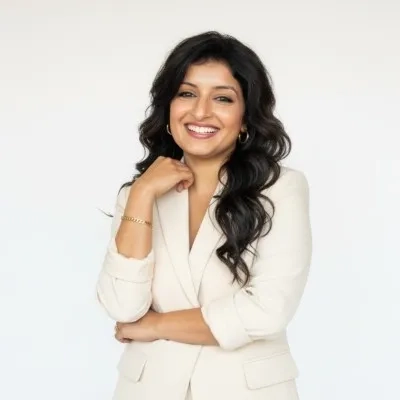 Hina MianMarketing Leader, Future Factors AI
Cadence used to be a math problem for us: how many emails before people start unsubscribing? These days, the real question is whether the message earns the interruption at all, which is a much higher bar.
Someone who just registered for a launch is in a different moment than someone who downloaded a resource three months ago and went quiet. We treat those as different audiences with different frequency, not one list on one schedule.
The actual change was cutting promotional repetition. Less of our volume says "buy now"; more of it teaches something or answers a real question, so people open the next one because the last one was useful, not because we're due for a send. Text gets held to a higher bar than email since it's a higher-attention channel, saved for things actually worth interrupting someone's day for.
By the time someone unsubscribes, fatigue's usually been building for weeks, in the opens that quietly stopped and the clicks that trailed off first. The unsubscribe is just the part everyone notices.